Home Contact us Alumni Students Search
NAAC ACCREDITED | COUNSELING CODE: JPNE
Academics Banner

Academics at JPNCE

At Jayaprakash Narayan College of Engineering (JPNCE), academics are built around strong fundamentals, practical laboratory exposure, project-based learning, and career readiness. The institution offers undergraduate and postgraduate programs across engineering, computer applications, management, and foundational sciences.
Engineering Programs B.Tech, M.Tech, and Diploma pathways
Professional Programs MBA and MCA for management and IT careers
Learning Support Mentoring, labs, workshops, and academic guidance

Academic Approach

  • Outcome-Based Education with continuous internal assessment and semester-end examinations.
  • Interactive classroom teaching supported by laboratories, seminars, workshops, and projects.
  • Bridge courses, remedial support, mentoring, and career-oriented training for students.
  • Curriculum planning aligned with JNTU Hyderabad norms, industry expectations, and emerging technologies.

Department Information

Civil Engineering

The Department of Civil Engineering prepares students for infrastructure planning, structural design, construction practices, surveying, transportation, water resources, geotechnical engineering, and environmental engineering.

Open Department Website
B.Tech Civil Engineering Diploma / Polytechnic Civil Engineering support
Vision

To develop competent civil engineers with strong technical knowledge, ethical responsibility, practical skills, and commitment to sustainable infrastructure development.

Mission
  • Provide a balanced curriculum with practical exposure through laboratories, field work, and project-based learning.
  • Build analytical, design, estimation, and construction-management skills for real-world civil engineering problems.
  • Encourage students to adopt sustainable, safe, and socially responsible engineering practices.
Program Educational Objectives
  • Prepare graduates for successful careers in construction, design, consultancy, government, and higher education.
  • Enable graduates to solve civil engineering problems using mathematics, science, engineering fundamentals, and modern tools.
  • Develop communication, teamwork, leadership, ethical values, and lifelong learning habits.
Program Specific Outcomes
  • Plan, design, estimate, and execute civil engineering works with consideration for safety, quality, economy, and sustainability.
  • Use surveying, structural, geotechnical, transportation, and environmental engineering knowledge for infrastructure solutions.
Labs & Learning Areas
  • Surveying Lab
  • Strength of Materials Lab
  • Concrete Technology Lab
  • Geotechnical Engineering Lab
  • Environmental Engineering Lab
Program Outcomes
  • Apply knowledge of mathematics, science, engineering fundamentals, and domain specialization to solve complex problems.
  • Identify, analyze, and formulate solutions using appropriate experiments, data interpretation, and engineering reasoning.
  • Design systems, components, applications, or processes that meet specified needs with safety, sustainability, and societal considerations.
  • Use modern tools, software, laboratory practices, and professional techniques for analysis, design, development, and validation.
  • Communicate effectively, work in teams, follow professional ethics, and engage in lifelong learning.
  • Understand project management, finance, environmental impact, and social responsibilities related to professional practice.
Course Outcomes
  • Course outcomes are defined for every subject as per the approved curriculum and mapped to program outcomes.
  • Theory and laboratory courses assess conceptual understanding, practical skill, problem-solving ability, and professional application.
  • Course outcome attainment is reviewed through internal assessment, laboratory work, assignments, projects, and semester-end examinations.
Faculty

Faculty members handle curriculum delivery, laboratories, mentoring, projects, seminars, and student guidance for the department.

Infrastructure

The department is supported by classrooms, laboratories, computing resources, project spaces, and learning materials relevant to the program.

Activities & Achievements

Students and faculty participate in workshops, seminars, project exhibitions, technical contests, publications, internships, and co-curricular activities.

Academic Audit Reports

Academic records, course files, assessment practices, feedback, and attainment reviews are maintained for internal quality monitoring.

Students

Students are encouraged to take part in mentoring, laboratory learning, mini projects, internships, clubs, professional activities, and placement training.

Placements

Placement preparation includes aptitude, technical training, resume building, mock interviews, internships, and recruiter-specific guidance.

Outreach

Department outreach may include awareness programs, technical sessions, extension activities, social responsibility initiatives, and school/community interaction.

Newsletters

Department newsletters can be used to publish student achievements, faculty activities, events, workshops, placements, projects, and academic updates.

Civil Engineering Association

The Civil Engineering Association can coordinate student seminars, technical talks, model exhibitions, site-visit learning, competitions, and peer-learning activities for civil engineering students.

ICI Students Chapter

The ICI Students Chapter section can highlight concrete technology awareness, expert lectures, site visits, industry interaction, technical events, and student participation related to the Indian Concrete Institute.
Structural engineering Surveying and estimation Concrete technology Transportation engineering Environmental engineering
Career Paths: Civil engineer, site engineer, structural designer, quantity surveyor, planning engineer, government sector engineer, and infrastructure consultant.

Electrical & Electronics Engineering

The Department of Electrical & Electronics Engineering focuses on electrical machines, power systems, power electronics, control systems, renewable energy, electrical measurements, and industrial automation.

Open Department Website
B.Tech Electrical & Electronics Engineering Diploma / Polytechnic EEE support
Vision

To produce skilled electrical engineers capable of contributing to power, energy, automation, and industrial technology sectors with professional responsibility.

Mission
  • Strengthen fundamentals in electrical circuits, machines, power systems, control systems, and electronics.
  • Provide hands-on laboratory training and exposure to modern electrical systems and simulation tools.
  • Encourage innovation, safety awareness, energy conservation, and industry readiness.
Program Educational Objectives
  • Prepare graduates for careers in power, electrical design, maintenance, automation, and public/private sector organizations.
  • Enable graduates to analyze, design, and troubleshoot electrical and electronic systems.
  • Develop professional ethics, teamwork, communication, and lifelong learning capability.
Program Specific Outcomes
  • Apply electrical engineering knowledge to power generation, transmission, distribution, and utilization problems.
  • Use modern tools and safety practices for electrical machines, power electronics, drives, and automation systems.
Labs & Learning Areas
  • Electrical Machines Lab
  • Power Electronics Lab
  • Control Systems Lab
  • Measurements Lab
  • Power Systems Lab
Program Outcomes
  • Apply knowledge of mathematics, science, engineering fundamentals, and domain specialization to solve complex problems.
  • Identify, analyze, and formulate solutions using appropriate experiments, data interpretation, and engineering reasoning.
  • Design systems, components, applications, or processes that meet specified needs with safety, sustainability, and societal considerations.
  • Use modern tools, software, laboratory practices, and professional techniques for analysis, design, development, and validation.
  • Communicate effectively, work in teams, follow professional ethics, and engage in lifelong learning.
  • Understand project management, finance, environmental impact, and social responsibilities related to professional practice.
Course Outcomes
  • Course outcomes are defined for every subject as per the approved curriculum and mapped to program outcomes.
  • Theory and laboratory courses assess conceptual understanding, practical skill, problem-solving ability, and professional application.
  • Course outcome attainment is reviewed through internal assessment, laboratory work, assignments, projects, and semester-end examinations.
Faculty

Faculty members handle curriculum delivery, laboratories, mentoring, projects, seminars, and student guidance for the department.

Infrastructure

The department is supported by classrooms, laboratories, computing resources, project spaces, and learning materials relevant to the program.

Activities & Achievements

Students and faculty participate in workshops, seminars, project exhibitions, technical contests, publications, internships, and co-curricular activities.

Academic Audit Reports

Academic records, course files, assessment practices, feedback, and attainment reviews are maintained for internal quality monitoring.

Students

Students are encouraged to take part in mentoring, laboratory learning, mini projects, internships, clubs, professional activities, and placement training.

Placements

Placement preparation includes aptitude, technical training, resume building, mock interviews, internships, and recruiter-specific guidance.

Outreach

Department outreach may include awareness programs, technical sessions, extension activities, social responsibility initiatives, and school/community interaction.

Newsletters

Department newsletters can be used to publish student achievements, faculty activities, events, workshops, placements, projects, and academic updates.
Power systems Electrical machines Power electronics Control systems Renewable energy systems
Career Paths: Electrical engineer, power systems engineer, maintenance engineer, design engineer, automation engineer, energy auditor, and public sector technical roles.

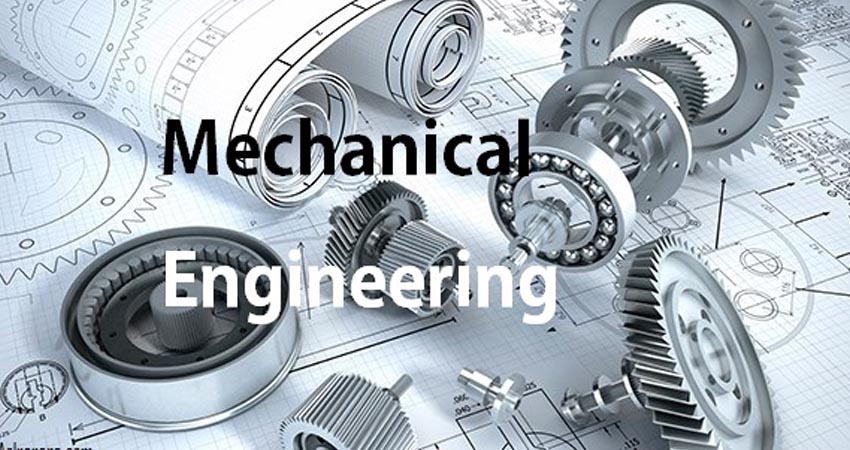
Mechanical Engineering

The Department of Mechanical Engineering develops knowledge in design, manufacturing, thermal engineering, CAD/CAM, production, materials, and industrial systems.

Open Department Website
B.Tech Mechanical Engineering M.Tech / CAD-CAM related specialization Diploma / Polytechnic Mechanical Engineering support
Vision

To develop mechanical engineers with design thinking, manufacturing capability, thermal engineering knowledge, and readiness for industry and innovation.

Mission
  • Build strong fundamentals in mechanics, design, manufacturing, thermal sciences, and materials engineering.
  • Provide laboratory, workshop, CAD/CAM, and project exposure for practical skill development.
  • Promote innovation, professional ethics, multidisciplinary learning, and industry-oriented problem solving.
Program Educational Objectives
  • Prepare graduates for careers in manufacturing, design, maintenance, production, and higher education.
  • Enable graduates to model, analyze, design, and improve mechanical systems using engineering tools.
  • Develop leadership, teamwork, communication, entrepreneurship, and lifelong learning ability.
Program Specific Outcomes
  • Apply mechanical engineering principles to design, manufacture, test, and maintain components and systems.
  • Use CAD/CAM, production methods, thermal systems, and industrial practices for engineering solutions.
Labs & Learning Areas
  • Thermal Engineering Lab
  • Fluid Mechanics Lab
  • Manufacturing Lab
  • CAD/CAM Lab
  • Metallurgy Lab
Program Outcomes
  • Apply knowledge of mathematics, science, engineering fundamentals, and domain specialization to solve complex problems.
  • Identify, analyze, and formulate solutions using appropriate experiments, data interpretation, and engineering reasoning.
  • Design systems, components, applications, or processes that meet specified needs with safety, sustainability, and societal considerations.
  • Use modern tools, software, laboratory practices, and professional techniques for analysis, design, development, and validation.
  • Communicate effectively, work in teams, follow professional ethics, and engage in lifelong learning.
  • Understand project management, finance, environmental impact, and social responsibilities related to professional practice.
Course Outcomes
  • Course outcomes are defined for every subject as per the approved curriculum and mapped to program outcomes.
  • Theory and laboratory courses assess conceptual understanding, practical skill, problem-solving ability, and professional application.
  • Course outcome attainment is reviewed through internal assessment, laboratory work, assignments, projects, and semester-end examinations.
Faculty

Faculty members handle curriculum delivery, laboratories, mentoring, projects, seminars, and student guidance for the department.

Infrastructure

The department is supported by classrooms, laboratories, computing resources, project spaces, and learning materials relevant to the program.

Activities & Achievements

Students and faculty participate in workshops, seminars, project exhibitions, technical contests, publications, internships, and co-curricular activities.

Academic Audit Reports

Academic records, course files, assessment practices, feedback, and attainment reviews are maintained for internal quality monitoring.

Students

Students are encouraged to take part in mentoring, laboratory learning, mini projects, internships, clubs, professional activities, and placement training.

Placements

Placement preparation includes aptitude, technical training, resume building, mock interviews, internships, and recruiter-specific guidance.

Outreach

Department outreach may include awareness programs, technical sessions, extension activities, social responsibility initiatives, and school/community interaction.

Newsletters

Department newsletters can be used to publish student achievements, faculty activities, events, workshops, placements, projects, and academic updates.
Engineering mechanics Thermal engineering Machine design Manufacturing technology CAD/CAM
Career Paths: Mechanical engineer, production engineer, design engineer, quality engineer, maintenance engineer, CAD/CAM engineer, and manufacturing supervisor.

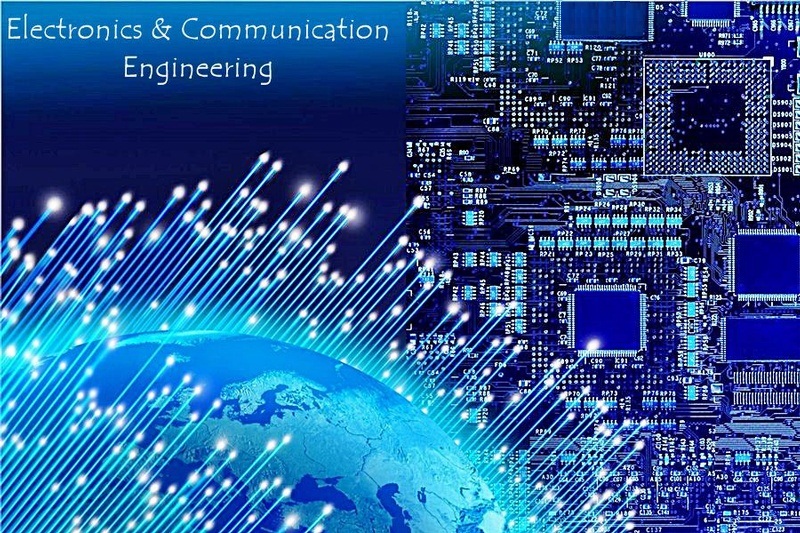
Electronics & Communication Engineering

The Department of Electronics & Communication Engineering covers electronic circuits, communication systems, VLSI, embedded systems, signal processing, microprocessors, and modern communication technologies.

Open Department Website
B.Tech Electronics & Communication Engineering M.Tech / Digital Systems related specialization
Vision

To develop competent electronics and communication engineers for core electronics, communication, embedded systems, VLSI, and interdisciplinary technology domains.

Mission
  • Provide strong foundations in electronic devices, circuits, communication systems, signal processing, and embedded technologies.
  • Build design, simulation, testing, and implementation skills through laboratories and projects.
  • Encourage innovation, research orientation, industry readiness, and ethical professional practice.
Program Educational Objectives
  • Prepare graduates for careers in electronics, telecommunications, embedded systems, VLSI, software, and higher studies.
  • Enable graduates to analyze, design, and develop electronic and communication systems.
  • Develop teamwork, communication, leadership, entrepreneurship, and lifelong learning ability.
Program Specific Outcomes
  • Design and analyze analog, digital, communication, embedded, and signal-processing systems.
  • Use modern EDA, simulation, testing, and programming tools for electronics and communication applications.
Labs & Learning Areas
  • Electronic Devices Lab
  • Digital Electronics Lab
  • Communication Systems Lab
  • Microprocessors Lab
  • VLSI/Embedded Lab
Program Outcomes
  • Apply knowledge of mathematics, science, engineering fundamentals, and domain specialization to solve complex problems.
  • Identify, analyze, and formulate solutions using appropriate experiments, data interpretation, and engineering reasoning.
  • Design systems, components, applications, or processes that meet specified needs with safety, sustainability, and societal considerations.
  • Use modern tools, software, laboratory practices, and professional techniques for analysis, design, development, and validation.
  • Communicate effectively, work in teams, follow professional ethics, and engage in lifelong learning.
  • Understand project management, finance, environmental impact, and social responsibilities related to professional practice.
Course Outcomes
  • Course outcomes are defined for every subject as per the approved curriculum and mapped to program outcomes.
  • Theory and laboratory courses assess conceptual understanding, practical skill, problem-solving ability, and professional application.
  • Course outcome attainment is reviewed through internal assessment, laboratory work, assignments, projects, and semester-end examinations.
Faculty

Faculty members handle curriculum delivery, laboratories, mentoring, projects, seminars, and student guidance for the department.

Infrastructure

The department is supported by classrooms, laboratories, computing resources, project spaces, and learning materials relevant to the program.

Activities & Achievements

Students and faculty participate in workshops, seminars, project exhibitions, technical contests, publications, internships, and co-curricular activities.

Academic Audit Reports

Academic records, course files, assessment practices, feedback, and attainment reviews are maintained for internal quality monitoring.

Students

Students are encouraged to take part in mentoring, laboratory learning, mini projects, internships, clubs, professional activities, and placement training.

Placements

Placement preparation includes aptitude, technical training, resume building, mock interviews, internships, and recruiter-specific guidance.

Outreach

Department outreach may include awareness programs, technical sessions, extension activities, social responsibility initiatives, and school/community interaction.

Newsletters

Department newsletters can be used to publish student achievements, faculty activities, events, workshops, placements, projects, and academic updates.
Analog and digital electronics Communication systems VLSI design Embedded systems Signal processing
Career Paths: Electronics engineer, telecom engineer, embedded developer, VLSI trainee engineer, network engineer, testing engineer, and core electronics professional.

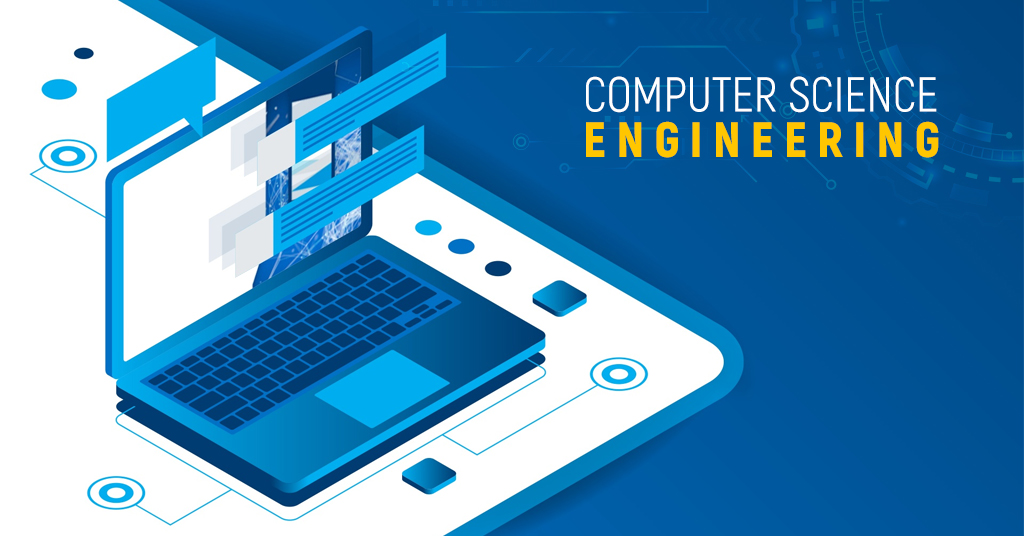
Computer Science & Engineering

The Department of Computer Science & Engineering prepares students in programming, data structures, databases, operating systems, computer networks, software engineering, web technologies, and cloud fundamentals.

Open Department Website
B.Tech Computer Science & Engineering
Vision

To produce competent computer science graduates with strong programming, problem-solving, software development, and emerging technology skills.

Mission
  • Develop strong foundations in computing, algorithms, software systems, databases, and networks.
  • Promote practical learning through programming labs, software projects, coding practice, and internships.
  • Encourage innovation, ethical computing, teamwork, and continuous learning in fast-changing technology domains.
Program Educational Objectives
  • Prepare graduates for successful careers in software, IT services, product development, entrepreneurship, and higher education.
  • Enable graduates to design, develop, test, and maintain software systems using modern tools and practices.
  • Develop communication, teamwork, leadership, ethics, and adaptability for professional growth.
Program Specific Outcomes
  • Apply programming, algorithms, data structures, databases, networks, and software engineering to build computing solutions.
  • Use modern development platforms, web technologies, cloud concepts, and project practices for real-world applications.
Labs & Learning Areas
  • Programming Lab
  • Data Structures Lab
  • DBMS Lab
  • Web Technologies Lab
  • Networks Lab
Program Outcomes
  • Apply knowledge of mathematics, science, engineering fundamentals, and domain specialization to solve complex problems.
  • Identify, analyze, and formulate solutions using appropriate experiments, data interpretation, and engineering reasoning.
  • Design systems, components, applications, or processes that meet specified needs with safety, sustainability, and societal considerations.
  • Use modern tools, software, laboratory practices, and professional techniques for analysis, design, development, and validation.
  • Communicate effectively, work in teams, follow professional ethics, and engage in lifelong learning.
  • Understand project management, finance, environmental impact, and social responsibilities related to professional practice.
Course Outcomes
  • Course outcomes are defined for every subject as per the approved curriculum and mapped to program outcomes.
  • Theory and laboratory courses assess conceptual understanding, practical skill, problem-solving ability, and professional application.
  • Course outcome attainment is reviewed through internal assessment, laboratory work, assignments, projects, and semester-end examinations.
Faculty

Faculty members handle curriculum delivery, laboratories, mentoring, projects, seminars, and student guidance for the department.

Infrastructure

The department is supported by classrooms, laboratories, computing resources, project spaces, and learning materials relevant to the program.

Activities & Achievements

Students and faculty participate in workshops, seminars, project exhibitions, technical contests, publications, internships, and co-curricular activities.

Academic Audit Reports

Academic records, course files, assessment practices, feedback, and attainment reviews are maintained for internal quality monitoring.

Students

Students are encouraged to take part in mentoring, laboratory learning, mini projects, internships, clubs, professional activities, and placement training.

Placements

Placement preparation includes aptitude, technical training, resume building, mock interviews, internships, and recruiter-specific guidance.

Outreach

Department outreach may include awareness programs, technical sessions, extension activities, social responsibility initiatives, and school/community interaction.

Newsletters

Department newsletters can be used to publish student achievements, faculty activities, events, workshops, placements, projects, and academic updates.
Programming and problem solving Data structures and algorithms Database management Computer networks Software engineering
Career Paths: Software developer, full-stack developer, database developer, QA engineer, cloud support engineer, system analyst, and IT consultant.

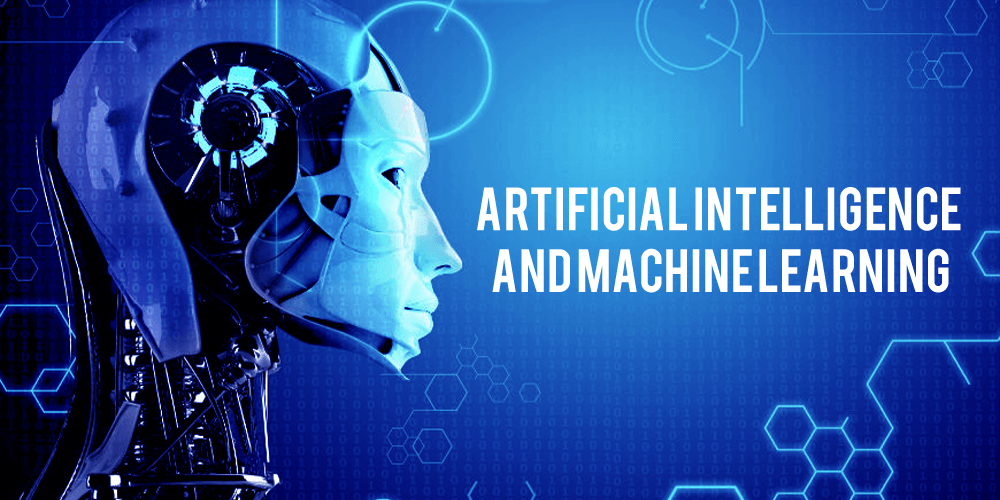
Artificial Intelligence & Machine Learning

The AI&ML program builds computing fundamentals with additional emphasis on intelligent systems, machine learning, deep learning, data handling, and applied AI solutions.

Open Department Website
B.Tech Artificial Intelligence & Machine Learning
Vision

To develop graduates who can apply artificial intelligence, machine learning, data-driven thinking, and software development skills to solve modern computing problems.

Mission
  • Build strong programming and computing fundamentals with focused exposure to AI and ML techniques.
  • Provide practical learning through Python, data analytics, machine learning labs, and projects.
  • Encourage responsible AI, innovation, research orientation, and industry-ready problem solving.
Program Educational Objectives
  • Prepare graduates for careers in AI, ML, data analytics, software development, automation, and higher studies.
  • Enable graduates to design data-driven and intelligent solutions using algorithms, models, and computing tools.
  • Develop professional ethics, communication, teamwork, and lifelong learning capability.
Program Specific Outcomes
  • Apply machine learning, programming, data analysis, and computing foundations to build intelligent systems.
  • Use AI tools, Python ecosystems, data processing methods, and project practices for applied solutions.
Labs & Learning Areas
  • AI Programming Lab
  • Machine Learning Lab
  • Data Analytics Lab
  • Python Lab
  • Project Lab
Program Outcomes
  • Apply knowledge of mathematics, science, engineering fundamentals, and domain specialization to solve complex problems.
  • Identify, analyze, and formulate solutions using appropriate experiments, data interpretation, and engineering reasoning.
  • Design systems, components, applications, or processes that meet specified needs with safety, sustainability, and societal considerations.
  • Use modern tools, software, laboratory practices, and professional techniques for analysis, design, development, and validation.
  • Communicate effectively, work in teams, follow professional ethics, and engage in lifelong learning.
  • Understand project management, finance, environmental impact, and social responsibilities related to professional practice.
Course Outcomes
  • Course outcomes are defined for every subject as per the approved curriculum and mapped to program outcomes.
  • Theory and laboratory courses assess conceptual understanding, practical skill, problem-solving ability, and professional application.
  • Course outcome attainment is reviewed through internal assessment, laboratory work, assignments, projects, and semester-end examinations.
Faculty

Faculty members handle curriculum delivery, laboratories, mentoring, projects, seminars, and student guidance for the department.

Infrastructure

The department is supported by classrooms, laboratories, computing resources, project spaces, and learning materials relevant to the program.

Activities & Achievements

Students and faculty participate in workshops, seminars, project exhibitions, technical contests, publications, internships, and co-curricular activities.

Academic Audit Reports

Academic records, course files, assessment practices, feedback, and attainment reviews are maintained for internal quality monitoring.

Students

Students are encouraged to take part in mentoring, laboratory learning, mini projects, internships, clubs, professional activities, and placement training.

Placements

Placement preparation includes aptitude, technical training, resume building, mock interviews, internships, and recruiter-specific guidance.

Outreach

Department outreach may include awareness programs, technical sessions, extension activities, social responsibility initiatives, and school/community interaction.

Newsletters

Department newsletters can be used to publish student achievements, faculty activities, events, workshops, placements, projects, and academic updates.
Python programming Machine learning Deep learning basics Data analytics AI applications
Career Paths: AI/ML engineer trainee, data analyst, Python developer, machine learning associate, automation developer, and research/project associate.

CSE (Data Science)

The Data Science specialization combines core computer science with statistics, data engineering, visualization, analytics, and machine learning for data-driven decision making.

Open Department Website
B.Tech CSE (Data Science)
Vision

To develop computing graduates who can transform data into meaningful insights using statistical, analytical, software, and machine learning techniques.

Mission
  • Strengthen foundations in programming, databases, statistics, data mining, and analytics.
  • Provide practical exposure to data handling, visualization, predictive analytics, and project work.
  • Promote ethical data use, analytical thinking, teamwork, and industry readiness.
Program Educational Objectives
  • Prepare graduates for careers in data analytics, software development, business intelligence, and higher education.
  • Enable graduates to collect, process, analyze, visualize, and interpret data for decision support.
  • Develop communication, teamwork, ethics, and lifelong learning skills for evolving data-driven careers.
Program Specific Outcomes
  • Apply programming, statistics, databases, analytics, and machine learning concepts to solve data-centric problems.
  • Use modern data tools and visualization methods to develop insights and applications.
Labs & Learning Areas
  • Python/Data Science Lab
  • Database Lab
  • Analytics Lab
  • Visualization Lab
  • Project Lab
Program Outcomes
  • Apply knowledge of mathematics, science, engineering fundamentals, and domain specialization to solve complex problems.
  • Identify, analyze, and formulate solutions using appropriate experiments, data interpretation, and engineering reasoning.
  • Design systems, components, applications, or processes that meet specified needs with safety, sustainability, and societal considerations.
  • Use modern tools, software, laboratory practices, and professional techniques for analysis, design, development, and validation.
  • Communicate effectively, work in teams, follow professional ethics, and engage in lifelong learning.
  • Understand project management, finance, environmental impact, and social responsibilities related to professional practice.
Course Outcomes
  • Course outcomes are defined for every subject as per the approved curriculum and mapped to program outcomes.
  • Theory and laboratory courses assess conceptual understanding, practical skill, problem-solving ability, and professional application.
  • Course outcome attainment is reviewed through internal assessment, laboratory work, assignments, projects, and semester-end examinations.
Faculty

Faculty members handle curriculum delivery, laboratories, mentoring, projects, seminars, and student guidance for the department.

Infrastructure

The department is supported by classrooms, laboratories, computing resources, project spaces, and learning materials relevant to the program.

Activities & Achievements

Students and faculty participate in workshops, seminars, project exhibitions, technical contests, publications, internships, and co-curricular activities.

Academic Audit Reports

Academic records, course files, assessment practices, feedback, and attainment reviews are maintained for internal quality monitoring.

Students

Students are encouraged to take part in mentoring, laboratory learning, mini projects, internships, clubs, professional activities, and placement training.

Placements

Placement preparation includes aptitude, technical training, resume building, mock interviews, internships, and recruiter-specific guidance.

Outreach

Department outreach may include awareness programs, technical sessions, extension activities, social responsibility initiatives, and school/community interaction.

Newsletters

Department newsletters can be used to publish student achievements, faculty activities, events, workshops, placements, projects, and academic updates.
Statistics for computing Data mining Data visualization Big data concepts Predictive analytics
Career Paths: Data analyst, business intelligence associate, data engineer trainee, analytics developer, reporting analyst, and software developer.

CSE (Cyber Security)

The Cyber Security specialization strengthens computer science fundamentals while introducing secure coding, network security, ethical hacking concepts, cryptography, and cyber defense practices.

Open Department Website
B.Tech CSE (Cyber Security)
Vision

To develop cyber security professionals with computing fundamentals, secure design thinking, ethical responsibility, and readiness for digital protection roles.

Mission
  • Build strong foundations in programming, networks, operating systems, databases, and security concepts.
  • Provide practical exposure to secure coding, network security, cryptography, and cyber defense practices.
  • Promote ethical hacking awareness, cyber law understanding, risk thinking, and professional responsibility.
Program Educational Objectives
  • Prepare graduates for careers in cyber security, software, network administration, SOC operations, and higher studies.
  • Enable graduates to identify vulnerabilities, apply security principles, and support secure computing systems.
  • Develop ethics, communication, teamwork, and lifelong learning skills for evolving security challenges.
Program Specific Outcomes
  • Apply secure programming, network security, cryptography, and system security principles to protect computing environments.
  • Use modern security tools and practices for analysis, testing, monitoring, and response.
Labs & Learning Areas
  • Networks Lab
  • Cyber Security Lab
  • Operating Systems Lab
  • Secure Coding Lab
  • Project Lab
Program Outcomes
  • Apply knowledge of mathematics, science, engineering fundamentals, and domain specialization to solve complex problems.
  • Identify, analyze, and formulate solutions using appropriate experiments, data interpretation, and engineering reasoning.
  • Design systems, components, applications, or processes that meet specified needs with safety, sustainability, and societal considerations.
  • Use modern tools, software, laboratory practices, and professional techniques for analysis, design, development, and validation.
  • Communicate effectively, work in teams, follow professional ethics, and engage in lifelong learning.
  • Understand project management, finance, environmental impact, and social responsibilities related to professional practice.
Course Outcomes
  • Course outcomes are defined for every subject as per the approved curriculum and mapped to program outcomes.
  • Theory and laboratory courses assess conceptual understanding, practical skill, problem-solving ability, and professional application.
  • Course outcome attainment is reviewed through internal assessment, laboratory work, assignments, projects, and semester-end examinations.
Faculty

Faculty members handle curriculum delivery, laboratories, mentoring, projects, seminars, and student guidance for the department.

Infrastructure

The department is supported by classrooms, laboratories, computing resources, project spaces, and learning materials relevant to the program.

Activities & Achievements

Students and faculty participate in workshops, seminars, project exhibitions, technical contests, publications, internships, and co-curricular activities.

Academic Audit Reports

Academic records, course files, assessment practices, feedback, and attainment reviews are maintained for internal quality monitoring.

Students

Students are encouraged to take part in mentoring, laboratory learning, mini projects, internships, clubs, professional activities, and placement training.

Placements

Placement preparation includes aptitude, technical training, resume building, mock interviews, internships, and recruiter-specific guidance.

Outreach

Department outreach may include awareness programs, technical sessions, extension activities, social responsibility initiatives, and school/community interaction.

Newsletters

Department newsletters can be used to publish student achievements, faculty activities, events, workshops, placements, projects, and academic updates.

Network security Cryptography basics Secure programming Ethical hacking concepts Cyber laws and risk management
Career Paths: Security analyst trainee, network security associate, SOC analyst, cyber security tester, system administrator, and secure software developer.

Management

The Management department offers business education with focus on leadership, finance, marketing, human resources, operations, entrepreneurship, and decision-making skills.

Open Department Website
Master of Business Administration (MBA)
Vision

To develop responsible management professionals with leadership ability, business knowledge, analytical thinking, and ethical decision-making skills.

Mission
  • Provide conceptual and practical knowledge in management, finance, marketing, HR, operations, and entrepreneurship.
  • Develop communication, leadership, analytical, and decision-making skills through case studies and projects.
  • Encourage industry interaction, internships, professional ethics, and employability.
Program Educational Objectives
  • Prepare graduates for careers in business, management, entrepreneurship, finance, marketing, HR, and operations.
  • Enable graduates to analyze business situations and make effective managerial decisions.
  • Develop leadership, teamwork, communication, ethical awareness, and lifelong learning ability.
Program Specific Outcomes
  • Apply management principles, analytical tools, and communication skills to business problems.
  • Demonstrate professional readiness for managerial, entrepreneurial, and organizational roles.
Labs & Learning Areas
  • Business Communication Sessions
  • Case Study Discussions
  • Seminars
  • Project Work
  • Internship Guidance
Program Outcomes
  • Apply knowledge of mathematics, science, engineering fundamentals, and domain specialization to solve complex problems.
  • Identify, analyze, and formulate solutions using appropriate experiments, data interpretation, and engineering reasoning.
  • Design systems, components, applications, or processes that meet specified needs with safety, sustainability, and societal considerations.
  • Use modern tools, software, laboratory practices, and professional techniques for analysis, design, development, and validation.
  • Communicate effectively, work in teams, follow professional ethics, and engage in lifelong learning.
  • Understand project management, finance, environmental impact, and social responsibilities related to professional practice.
Course Outcomes
  • Course outcomes are defined for every subject as per the approved curriculum and mapped to program outcomes.
  • Theory and laboratory courses assess conceptual understanding, practical skill, problem-solving ability, and professional application.
  • Course outcome attainment is reviewed through internal assessment, laboratory work, assignments, projects, and semester-end examinations.
Faculty

Faculty members handle curriculum delivery, laboratories, mentoring, projects, seminars, and student guidance for the department.

Infrastructure

The department is supported by classrooms, laboratories, computing resources, project spaces, and learning materials relevant to the program.

Activities & Achievements

Students and faculty participate in workshops, seminars, project exhibitions, technical contests, publications, internships, and co-curricular activities.

Academic Audit Reports

Academic records, course files, assessment practices, feedback, and attainment reviews are maintained for internal quality monitoring.

Students

Students are encouraged to take part in mentoring, laboratory learning, mini projects, internships, clubs, professional activities, and placement training.

Placements

Placement preparation includes aptitude, technical training, resume building, mock interviews, internships, and recruiter-specific guidance.

Outreach

Department outreach may include awareness programs, technical sessions, extension activities, social responsibility initiatives, and school/community interaction.

Newsletters

Department newsletters can be used to publish student achievements, faculty activities, events, workshops, placements, projects, and academic updates.

Marketing management Financial management Human resource management Operations management Business analytics basics
Career Paths: Management trainee, HR executive, marketing executive, finance associate, operations coordinator, business analyst trainee, and entrepreneur.

Computer Applications

The Computer Applications program is designed for students pursuing software, application development, database systems, networking, web technologies, and IT services careers.

Open Department Website
Master of Computer Applications (MCA)
Vision

To prepare computer applications graduates with software development ability, practical IT skills, and professional readiness for the technology industry.

Mission
  • Provide strong foundations in programming, databases, software engineering, networking, and web technologies.
  • Develop application-building ability through laboratory practice, projects, and internships.
  • Encourage problem solving, teamwork, communication, ethics, and continuous technology learning.
Program Educational Objectives
  • Prepare graduates for software, IT services, application development, database, and testing roles.
  • Enable graduates to design, develop, test, deploy, and maintain application software.
  • Develop professional communication, teamwork, adaptability, and lifelong learning skills.
Program Specific Outcomes
  • Apply programming, databases, web technologies, and software engineering practices for application development.
  • Use modern tools and platforms to build, test, and maintain software solutions.
Labs & Learning Areas
  • Programming Lab
  • Web Application Lab
  • DBMS Lab
  • Software Engineering Lab
  • Project Lab
Program Outcomes
  • Apply knowledge of mathematics, science, engineering fundamentals, and domain specialization to solve complex problems.
  • Identify, analyze, and formulate solutions using appropriate experiments, data interpretation, and engineering reasoning.
  • Design systems, components, applications, or processes that meet specified needs with safety, sustainability, and societal considerations.
  • Use modern tools, software, laboratory practices, and professional techniques for analysis, design, development, and validation.
  • Communicate effectively, work in teams, follow professional ethics, and engage in lifelong learning.
  • Understand project management, finance, environmental impact, and social responsibilities related to professional practice.
Course Outcomes
  • Course outcomes are defined for every subject as per the approved curriculum and mapped to program outcomes.
  • Theory and laboratory courses assess conceptual understanding, practical skill, problem-solving ability, and professional application.
  • Course outcome attainment is reviewed through internal assessment, laboratory work, assignments, projects, and semester-end examinations.
Faculty

Faculty members handle curriculum delivery, laboratories, mentoring, projects, seminars, and student guidance for the department.

Infrastructure

The department is supported by classrooms, laboratories, computing resources, project spaces, and learning materials relevant to the program.

Activities & Achievements

Students and faculty participate in workshops, seminars, project exhibitions, technical contests, publications, internships, and co-curricular activities.

Academic Audit Reports

Academic records, course files, assessment practices, feedback, and attainment reviews are maintained for internal quality monitoring.

Students

Students are encouraged to take part in mentoring, laboratory learning, mini projects, internships, clubs, professional activities, and placement training.

Placements

Placement preparation includes aptitude, technical training, resume building, mock interviews, internships, and recruiter-specific guidance.

Outreach

Department outreach may include awareness programs, technical sessions, extension activities, social responsibility initiatives, and school/community interaction.

Newsletters

Department newsletters can be used to publish student achievements, faculty activities, events, workshops, placements, projects, and academic updates.

Application development Database systems Web technologies Software testing Computer networks
Career Paths: Software developer, web developer, application programmer, database associate, testing engineer, and IT support specialist.

First Year (Humanities & Sciences)

The Humanities & Sciences department supports first-year engineering students with foundational courses in mathematics, physics, chemistry, English, programming basics, and engineering orientation.

Open Department Website
First Year B.Tech foundation courses
Vision

To provide a strong academic foundation for engineering students through science, mathematics, communication, and professional skill development.

Mission
  • Strengthen fundamentals in mathematics, physics, chemistry, communication, and basic computing.
  • Help students transition from school to engineering education through mentoring and bridge support.
  • Develop communication, scientific thinking, discipline, ethics, and professional learning habits.
Program Educational Objectives
  • Prepare students for success in core engineering branches through strong first-year fundamentals.
  • Enable students to apply basic science, mathematics, and communication skills in engineering contexts.
  • Develop learning discipline, teamwork, professional behavior, and confidence.
Program Specific Outcomes
  • Apply mathematics, science, and communication fundamentals to engineering learning.
  • Demonstrate readiness for branch-specific technical education from second year onward.
Labs & Learning Areas
  • Physics Lab
  • Chemistry Lab
  • English Communication Lab
  • Basic Programming Lab
  • Workshop Practice
Program Outcomes
  • Apply knowledge of mathematics, science, engineering fundamentals, and domain specialization to solve complex problems.
  • Identify, analyze, and formulate solutions using appropriate experiments, data interpretation, and engineering reasoning.
  • Design systems, components, applications, or processes that meet specified needs with safety, sustainability, and societal considerations.
  • Use modern tools, software, laboratory practices, and professional techniques for analysis, design, development, and validation.
  • Communicate effectively, work in teams, follow professional ethics, and engage in lifelong learning.
  • Understand project management, finance, environmental impact, and social responsibilities related to professional practice.
Course Outcomes
  • Course outcomes are defined for every subject as per the approved curriculum and mapped to program outcomes.
  • Theory and laboratory courses assess conceptual understanding, practical skill, problem-solving ability, and professional application.
  • Course outcome attainment is reviewed through internal assessment, laboratory work, assignments, projects, and semester-end examinations.
Faculty

Faculty members handle curriculum delivery, laboratories, mentoring, projects, seminars, and student guidance for the department.

Infrastructure

The department is supported by classrooms, laboratories, computing resources, project spaces, and learning materials relevant to the program.

Activities & Achievements

Students and faculty participate in workshops, seminars, project exhibitions, technical contests, publications, internships, and co-curricular activities.

Academic Audit Reports

Academic records, course files, assessment practices, feedback, and attainment reviews are maintained for internal quality monitoring.

Students

Students are encouraged to take part in mentoring, laboratory learning, mini projects, internships, clubs, professional activities, and placement training.

Placements

Placement preparation includes aptitude, technical training, resume building, mock interviews, internships, and recruiter-specific guidance.

Outreach

Department outreach may include awareness programs, technical sessions, extension activities, social responsibility initiatives, and school/community interaction.

Newsletters

Department newsletters can be used to publish student achievements, faculty activities, events, workshops, placements, projects, and academic updates.

Engineering mathematics Physics and chemistry foundations English communication Basic programming Professional skills
Career Paths: Strong first-year foundation for progression into core engineering and professional programs.